
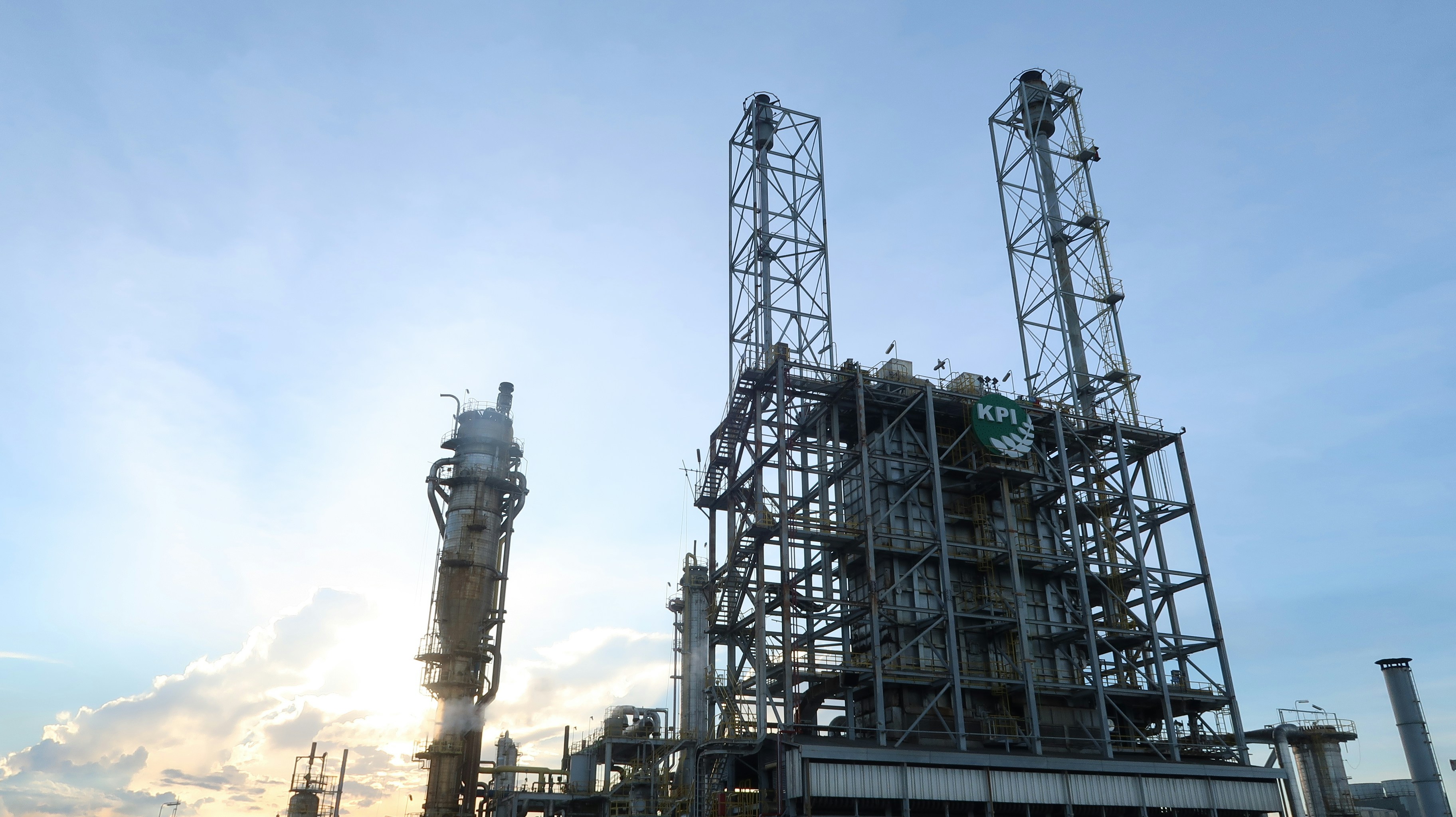
Introduction to Industrial Plants
Industrial plants serve as essential components of the global economy, acting as the backbone of various sectors by facilitating manufacturing and energy production. Among a multitude of industrial facilities, oil refineries, petrochemical plants, power plants, chemical plants, fertilizer plants, and cement plants play pivotal roles. Each type of industrial plant specializes in converting raw materials into valuable products, thus contributing significantly to industrial development.
Oil refineries are crucial in transforming crude oil into a variety of fuels and other petroleum products. These facilities not only meet the energy demands of numerous sectors but also yield essential chemicals used in everyday products. Meanwhile, petrochemical plants derive their materials from oil and natural gas to produce chemicals that form the basis of plastics, synthetic fibers, and rubber, which are the fundamental building blocks of modern consumer goods.
Power plants represent another vital category of industrial plants, generating electricity to supply residential and industrial users. They can operate using various energy sources, including fossil fuels, nuclear energy, and renewable resources like solar and wind. The diversification of power plants plays an integral role in determining energy sustainability and security across the globe.
Chemical plants focus on the large-scale production of chemical compounds through chemical processes, playing a critical role in the comprehensive supply chain of various products, including pharmaceuticals, household cleaners, and industrial materials. Fertilizer plants, on the other hand, are pivotal in agriculture, producing essential nutrients that enhance crop yields and contribute to food security.
Lastly, cement plants are instrumental in the construction industry, providing the necessary materials for infrastructure development. As a result, these industrial plants collectively underpin much of the manufacturing and energy production that propels economic growth and supports modern society.
Oil Refineries: The Heart of Fuel Production
Oil refineries serve as critical infrastructures in the energy sector, transforming crude oil into various usable products, such as gasoline, diesel, and jet fuel. The refining process begins with the distillation of crude oil, which involves heating the oil to separate it into components based on differing boiling points. This separation creates fractions that are further processed through various methods, including cracking, reforming, and treating, to produce high-quality fuels and other petrochemical products.
Key technologies employed in the refining process enhance efficiency and productivity. For instance, catalytic cracking uses catalysts to break larger hydrocarbon molecules into smaller, more valuable products. This method increases the yield of gasoline and diesel, making it vital for meeting consumer demand. Additionally, hydrocracking is another innovative approach that combines hydrogen with heavy oil fractions under high pressure, yielding cleaner and lighter products. These advancements in technology have facilitated the production of fuels with lower sulfur content, thereby addressing regulatory requirements and improving environmental standards.
Petrochemicals: Bridging Oil and Everyday Products
Petrochemical plants play a crucial role in transforming raw materials derived from oil and natural gas into a wide variety of essential chemical products that we encounter in our daily lives. These facilities utilize a series of complex processes, including cracking, reforming, and polymerization, to convert hydrocarbons into building blocks for numerous consumer goods. The versatility of petrochemicals allows for the production of vital materials such as plastics, detergents, synthetic fibers, and rubber.
At the heart of petrochemical manufacturing are two primary categories: olefins and aromatics. Olefins, including ethylene and propylene, are fundamental components in the production of plastic products and synthetic rubber. Ethylene, for instance, is a key ingredient in polyethylene, which is extensively used for packaging, containers, and various household items. On the other hand, aromatics such as benzene, toluene, and xylene serve as precursors for several petrochemicals and are important in the production of solvents, dyes, and adhesives.
The economic impact of the petrochemical industry is substantial, as it supports millions of jobs globally and contributes significantly to industrial growth. The sector not only enhances the availability of affordable consumer products but also plays a vital role in other industries, including automotive, construction, and healthcare. With rising demand for sustainable practices, the petrochemical industry faces challenges and opportunities to innovate and reduce its carbon footprint, leading to advancements in bio-based alternatives and recycling technologies.
In summary, petrochemical plants serve as vital links between crude oil extraction and the diverse array of everyday products that we often take for granted. Through intricate manufacturing processes, they contribute to a robust economy while continuously evolving to meet the demands for sustainability and innovation in a modern world.
Power Plants: Powering Our Lives
Power plants play a crucial role in supplying electricity to meet the ever-growing demands of modern society. They encompass a range of facilities designed to convert various forms of energy into electrical power. Among the most prevalent types are fossil fuel, nuclear, and renewable energy plants, each employing distinct technologies to generate electricity while confronting unique challenges.
Fossil fuel power plants predominantly rely on coal, natural gas, or oil. These plants combust fossil fuels to produce steam, which drives turbines, thereby generating electricity. Despite their efficiency and reliability, fossil fuel plants contribute significantly to greenhouse gas emissions, raising concerns about climate change and sustainability. Consequently, there is an increasing push to transition to cleaner technologies.
Nuclear power plants offer an alternative by harnessing the energy released from nuclear fission. In this process, uranium atoms are split to release heat, which is then used to produce steam for electricity generation. Nuclear energy provides a low-carbon source of power; however, it poses challenges related to radioactive waste management and public safety perceptions. The construction and maintenance of nuclear facilities also necessitate significant investment and regulatory oversight.
Renewable energy plants, including wind, solar, hydroelectric, and geothermal facilities, are gaining prominence as the need for sustainable energy sources surges. These power plants convert natural phenomena into electricity without depleting finite resources or emitting harmful pollutants. For instance, solar panels capture sunlight to generate electricity, while wind turbines utilize aerodynamic forces to harness wind energy. Despite their environmental benefits, renewables face hurdles such as intermittency, scalability, and the need for reliable energy storage solutions.
As the global population continues to grow, the demand for energy escalates, requiring power plants to evolve. The industry must navigate balancing energy production with environmental responsibility, technological innovation, and regulatory compliance to pave the way for a sustainable future.
Chemical Plants: Manufacturing Essential Chemicals
Chemical plants play a crucial role in the manufacturing of essential chemicals that serve various industries, including pharmaceuticals, agriculture, and manufacturing. At their core, these facilities are designed to carry out a series of processes such as synthesis, reaction, and separation. Each of these processes is integral to transforming raw materials into valuable products that can be used in everyday applications.
The synthesis process involves creating complex chemicals from simpler compounds. This step often requires specific conditions of temperature and pressure, along with the precise handling of reactants. A well-designed chemical plant will employ sophisticated equipment to facilitate these reactions, ensuring efficiency and safety. Following synthesis, chemical reactions take place where reactants interact chemically to form new products. This phase is critical since it determines the yield and overall efficiency of the process. Reactors, which are often the heart of a chemical plant, are designed to optimize these reactions through various operational parameters.
Once the reactions are complete, the separation process comes into play to isolate the desired product from by-products and unreacted materials. Techniques such as distillation, filtration, and crystallization are widely used to purify the final chemical products. Each technique presents unique advantages depending on the specific chemicals being processed and their required purity levels. For the safety of workers and the environment, strict adherence to regulatory compliance is essential. This includes following guidelines set forth by governing bodies to prevent accidents and ensure that waste is managed properly. Chemical plants are equipped with safety systems and protocols to handle potential hazards, thereby safeguarding not only their operations but also the surrounding community.
In summary, chemical plants are indispensable components of the modern industrial landscape. Through a meticulous blend of synthesis, reaction, and separation processes, they deliver essential chemicals critical for a myriad of applications, while prioritizing safety and regulatory standards.
Fertilizer Plants: Feeding the World
Fertilizer plants are essential components of the agricultural supply chain, providing the necessary nutrients to enhance crop yields and ensure global food security. These facilities produce various types of fertilizers, which are crucial for sustaining agricultural productivity, especially in the context of a growing population. The most common types of fertilizers produced include nitrogenous, phosphatic, and potassic fertilizers. Each type plays a specific role in plant growth and development, addressing deficiencies in essential nutrients that crops require.
The production process of fertilizers typically begins with the extraction of raw materials such as natural gas, phosphate rock, and potassium salts. For nitrogenous fertilizers, the Haber-Bosch process converts atmospheric nitrogen into ammonia, which can then be further processed into urea or ammonium nitrate. Phosphatic fertilizers are derived from phosphate rock through chemical transformation, yielding products such as superphosphate and monoammonium phosphate. Potassic fertilizers, on the other hand, are sourced from potash deposits and are vital for promoting root development and overall plant health.
Fertilizers significantly contribute to enhancing crop yields, making it possible to meet the food demands of an increasingly populous world. By supplying essential nutrients, they bolster plant growth, enabling farmers to produce more with limited land. This is especially important in areas facing agricultural challenges due to soil degradation, pests, and climate change. However, it is critical to manage fertilizer use responsibly to mitigate environmental impacts, such as nutrient runoff that leads to water pollution and loss of biodiversity.
In conclusion, fertilizer plants play a vital role in modern agriculture by ensuring that crops receive the necessary nutrients for optimal growth. Understanding the processes involved in fertilizer production can help stakeholders make informed decisions, balancing the need for increased food production with environmental sustainability.
Cement Plants: Building the Future
Cement plants play a critical role in the construction industry by producing one of the most essential materials required for building infrastructure. The process of cement production begins with the extraction of raw materials, primarily limestone and clay. These materials undergo intense grinding and blending to create a fine powder, which is then subjected to high-temperature processing in a kiln. The kiln reaches temperatures of up to 1,450 degrees Celsius, allowing limestone to decompose into lime and carbon dioxide, resulting in the formation of clinker. This clinker is subsequently cooled and ground with gypsum to produce the final product—cement.
The equipment used in cement production is central to the efficiency and quality of the output. Key machinery includes crushers, grinders, and rotary kilns, each fulfilling a specific function in the production line. Advanced technologies have been adopted to automate these processes, enhance energy efficiency, and optimize operational costs. Moreover, continuous innovations in equipment design, such as vertical roller mills and pre-heater systems, have significantly reduced energy consumption and emissions compared to traditional methods.
While cement remains an indispensable part of modern infrastructure development, its production poses environmental challenges, primarily due to significant CO2 emissions. As a response, the industry is actively exploring and implementing sustainable practices. These include leveraging alternative fuels, incorporating supplementary cementitious materials, and improving energy efficiency through technological advancements. Furthermore, initiatives to increase recycling within the cement industry, such as the use of waste materials like fly ash and slag, are gaining traction. Through these efforts, cement plants are striving to minimize their ecological footprint while continuing to support the growing demands of construction worldwide.
Interconnections Between Industries
The interconnections between oil refineries, petrochemical plants, and power plants illustrate the delicate balance and interdependencies that exist within the industrial sector. Each facility plays a critical role in supporting one another, creating a network of supply chains that is essential for the global economy. Oil refineries process crude oil into various petroleum products such as gasoline, diesel, and jet fuel, which are not only vital for transportation but also serve as raw materials for petrochemical production.
Petrochemical plants take these refined products and transform them into a plethora of chemicals used in everyday items, from plastics and fertilizers to pharmaceuticals. This symbiotic relationship means that fluctuations in oil prices directly affect the costs and operations of petrochemical facilities. When crude oil prices rise, refineries may experience increased operating costs, which can lead to reduced output. Consequently, petrochemical plants relying on these inputs may face supply shortages, leading to broader implications for industries that depend on their products.
Power plants, particularly those utilizing fossil fuels, rely on refined petroleum products for their energy needs. The interdependency extends further when we consider renewable energy sources; for example, petrochemicals are crucial in producing materials such as solar panels and wind turbines. Therefore, if the petrochemical sector encounters disruptions, it could hinder the energy transition efforts in various regions. Additionally, outages or inefficiencies in power plants can lead to demand surges on refineries and petrochemical facilities, ultimately impacting the supply chain dynamics.
The significance of these interconnections underscores the importance of integrated supply chains. Understanding the ripple effects within these industrial sectors is crucial for implementing effective policies and strategies that bolster resilience against market fluctuations. By fostering collaboration across these industries, stakeholders can ensure a more stable and efficient economic environment.
Future Trends and Innovations in Industrial Plants
The landscape of industrial plants, including oil refineries and petrochemical facilities, is poised for significant transformation in the coming years. Technological advancements are emerging as key drivers of efficiency and operational excellence across these sectors. One of the most notable trends is the integration of artificial intelligence and machine learning, which enable real-time data analysis and predictive maintenance. This ensures optimal efficiency and minimizes downtime, significantly enhancing productivity.
In parallel, the shift towards green technologies is becoming increasingly critical. Industrial plants are under intensifying pressure to reduce their carbon footprints and adopt sustainable practices. This transition includes investing in renewable energy sources, such as solar and wind, alongside innovations in carbon capture and storage (CCS) technologies. The adoption of sustainable processes not only aligns with global environmental goals but also meets the growing consumer demand for sustainable products.
Furthermore, digitalization is playing a pivotal role in reshaping operations within oil refineries and petrochemical plants. The advent of the Internet of Things (IoT) allows for interconnected systems that streamline operations and facilitate improved decision-making. By utilizing data-driven insights, industries can optimize supply chain management and enhance operational resilience, responding more adeptly to market fluctuations.
Automation is another critical trend influencing the future of industrial plants. Robotics and automated processes are increasingly implemented to enhance efficiency, safety, and precision in operations. This not only reduces human error but also addresses workforce shortages by streamlining tasks traditionally performed by human operators.
As industries navigate shifting regulatory and economic landscapes, it is imperative for them to embrace these innovations. The future of oil refineries, petrochemicals, and power plants hinges on their ability to adapt to these transformative trends successfully, ensuring their sustainability and competitiveness in an ever-evolving market.