
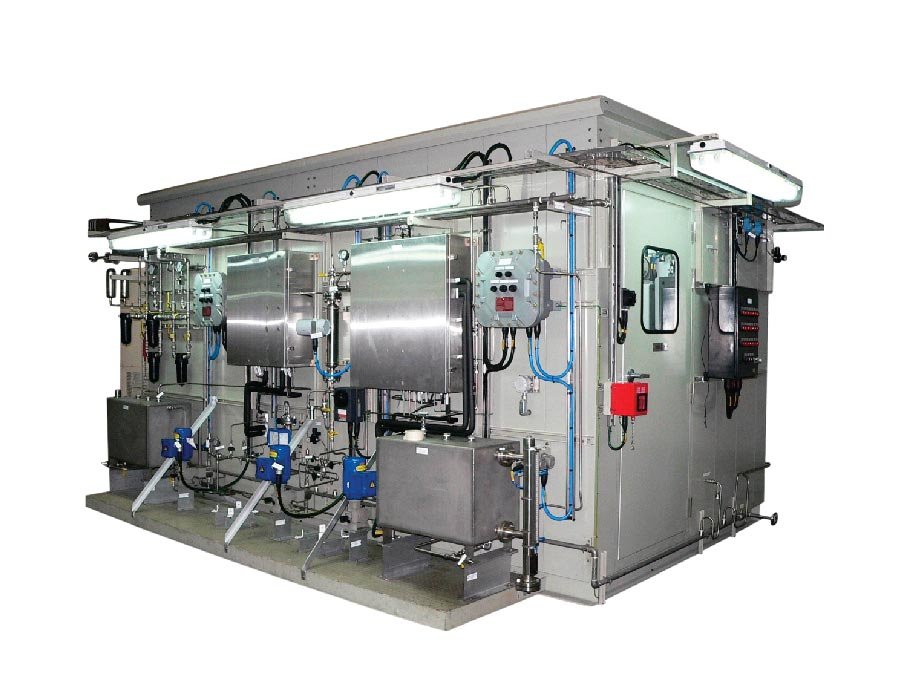
Introduction to Analyser Systems
Analyser systems play a crucial role in a multitude of industrial applications, providing essential data for measuring and monitoring various processes. These systems are designed to analyze specific components within a mixture, yielding valuable insights that are indispensable for optimizing operations. In essence, an analyser system consists of a combination of hardware and software components that work harmoniously to detect, quantify, and present data regarding specific chemical or physical properties.
The significance of analyser systems extends across a wide array of industries, including oil and gas, pharmaceuticals, food and beverage, and environmental monitoring. In the oil and gas sector, for instance, these systems facilitate the measurement of hydrocarbons, enabling process optimization and ensuring compliance with regulatory standards. Similarly, in pharmaceuticals, analyser systems are imperative for maintaining quality control and adhering to strict safety regulations. Their ability to provide real-time data empowers organizations to promptly adjust processes, ultimately leading to improved efficiency and reduced operational risks.
Moreover, custom-built analyser solutions are becoming increasingly prevalent. Standard, off-the-shelf systems may not suffice to address the unique demands of every application, making tailored solutions indispensable. Custom analyser systems can be designed to meet specific measurement requirements, accommodate various environmental conditions, and integrate seamlessly with existing infrastructure. The adaptability of these systems not only enhances their performance but also ensures that organizations can effectively monitor their processes, ensuring optimal outcomes.
In conclusion, the importance of analyser systems in modern industrial settings cannot be overstated. They provide the necessary tools for accurate measurement and monitoring while bespoke solutions cater to individual requirements, facilitating improved operational efficiency across diverse sectors.
Custom Built Analyser Houses
Custom-built analyser houses play a vital role in optimizing the performance of analyser systems. These specially designed structures are crafted to address the unique requirements of various applications, ensuring that the analytical instruments inside operate under optimal conditions. One of the critical components of such analyser houses is the air-conditioning system, which maintains a stable temperature and humidity level. This environmental control is essential for the accuracy and reliability of analytical measurements, as fluctuations can lead to erroneous results.
Power distribution is another indispensable feature of custom-built analyser houses. A well-designed power distribution system ensures that all equipment receives a consistent and reliable electrical supply, minimizing the risk of malfunction due to power fluctuations. Additionally, it can incorporate redundancy systems to further enhance reliability. Integrating high-quality lighting systems is equally important, as adequate illumination not only facilitates maintenance activities but also contributes to the safety and functionality of the space.
Safety systems are a fundamental aspect of the installation process for custom analyser houses. This includes fire detection and suppression systems, as well as emergency shut-off features for hazardous materials, ensuring compliance with industry regulations. Custom solutions can be tailored to accommodate specific safety requirements dictated by the type of analyses performed, thereby minimizing risks to both personnel and equipment.
The advantages of opting for custom-built analyser houses over standard solutions are significant. Custom designs allow for greater flexibility in addressing specific environmental and operational needs. Furthermore, they can enhance the longevity of the equipment housed within, as custom solutions are engineered to mitigate common environmental risks. By investing in a tailored analyser house, organizations can ensure enhanced performance, improved safety, and reduced operational disruptions, ultimately resulting in more reliable analytical outcomes.
Analyser Shelters and Material Options
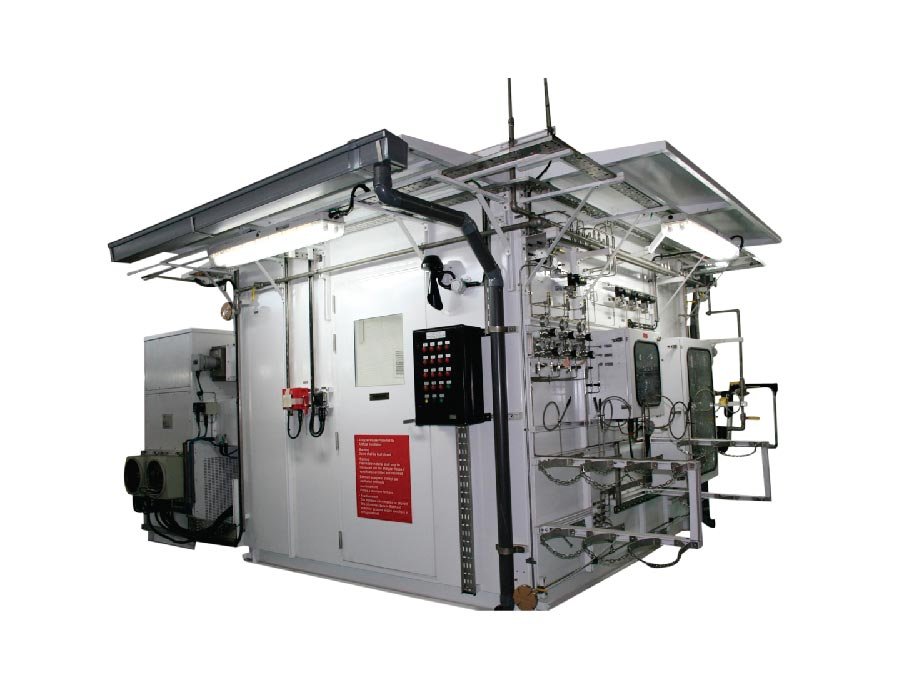
Analyser shelters are essential components of analyser systems, providing necessary protection and environmental control for sensitive equipment used in various industrial applications. These shelters are designed to accommodate specific requirements, ensuring optimal functionality and longevity of the analysers housed within them. One of the significant aspects of these shelters is the customization available to meet stringent specifications dictated by the operational environment. Customization may include considerations such as size, insulation, ventilation, and access provisions, allowing facilities to optimize the performance of their analyzers while ensuring compliance with safety and regulatory standards.
When it comes to material selection for analyser shelters, several options stand out, each with distinct properties suited for various environmental conditions. Stainless steel is renowned for its exceptional corrosion resistance, making it ideal for demanding environments where exposure to moisture and aggressive chemicals may occur. It also provides a robust structure that can withstand harsh weather and physical impacts. On the other hand, galvanized steel offers a good balance between cost and durability. Its galvanization process imparts resistance against rust, though it may not be as resilient under severe conditions as stainless steel.
Glass-reinforced plastic (GRP) is another material of choice for analyser shelters due to its lightweight and versatile properties. GRP shelters are resistant to corrosion and can be molded into complex shapes, providing excellent insulation. This is particularly important when temperature control is necessary for the sensitive instruments within. Finally, aluminium is favored for its lightweight characteristics and natural resistance to corrosion. While it may require additional coatings for certain environments, its ease of installation and maintenance makes it a practical option for many applications. Ultimately, the selection of materials for analyser shelters should align with environmental conditions, equipment requirements, and budgetary constraints to ensure optimal performance and protection of analyser systems.
Continuous Emission Monitoring Systems (CEMS)
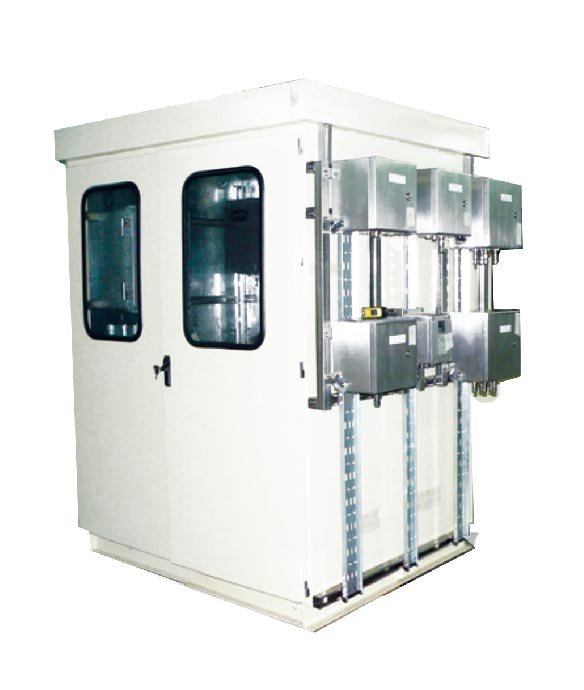
Continuous Emission Monitoring Systems (CEMS) play a crucial role in environmental regulation by providing consistent and real-time data on flue gas emissions from various industrial processes. These systems are engineered to measure pollutants such as sulfur dioxide (SO2), nitrogen oxides (NOx), carbon monoxide (CO), and particulate matter, allowing facilities to ensure compliance with environmental regulations. The implementation of CEMS is often mandated by governmental policies aimed at protecting air quality and public health, making them an essential component of modern industrial operations.
The technology behind CEMS typically employs a variety of analytical techniques, including gas chromatography, infrared spectrometry, and ultraviolet light absorption. Each method offers specific advantages in terms of sensitivity, accuracy, and response time, making it critical to select the appropriate technology based on the emissions profile of the facility and the regulatory requirements. For example, infrared-based systems are commonly used for measuring gases like CO2 and hydrocarbons due to their high accuracy and reliability.
In addition to compliance monitoring, CEMS provide significant operational benefits. By continuously tracking emissions, these systems enable companies to optimize their processes, identify inefficiencies, and reduce waste. Moreover, real-time data from CEMS can assist in proactive decision-making, ensuring that any potential exceedance of regulatory limits is addressed swiftly, thereby avoiding penalties and fostering a culture of environmental responsibility.
As industries face increasing pressure to reduce their environmental impact, the deployment of CEMS will likely continue to rise. These systems not only facilitate compliance with stringent environmental regulations but also contribute to corporate sustainability initiatives, reinforcing the industry’s commitment to reducing its carbon footprint. Through meticulous monitoring and transparent reporting, CEMS serve as a vital tool in the quest for cleaner air and a healthier environment.
Importance of Steam and Water Analysis Systems (SWAS)
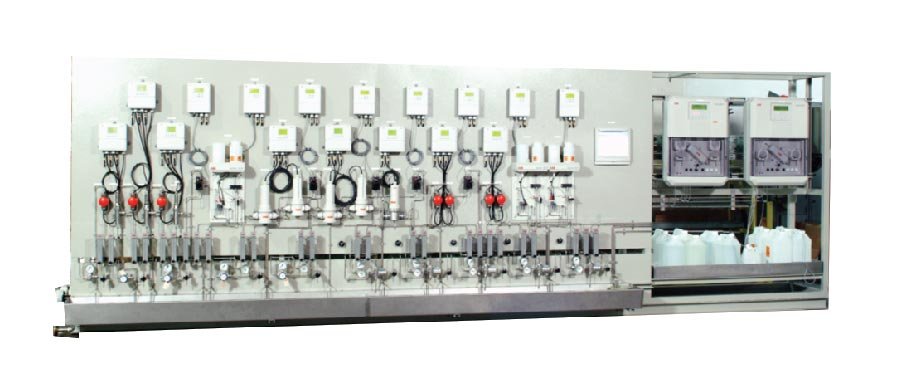
Steam and Water Analysis Systems (SWAS) play an essential role in the operation of power plants by monitoring the quality of steam and water. These systems are crucial for ensuring both the safety and efficiency of the plant’s operations. By continuously analyzing the chemical composition and physical properties of water and steam, SWAS provides valuable data that can help operators make informed decisions regarding system performance and maintenance.
One of the primary functions of SWAS is to detect impurities in steam and water. Contaminants such as dissolved salts, oils, and other foreign substances can lead to serious problems, including corrosion, scaling, and decreased thermal efficiency. By identifying these contaminants early, power plants can implement corrective measures to prevent damage and extend the lifespan of critical components, such as boilers and turbines. The importance of monitoring water and steam purity cannot be overstated, as it directly impacts the operational efficiency and reliability of the entire system.
Moreover, SWAS contributes significantly to safety within power plants. With real-time analysis and monitoring, these systems can promptly alert operators to potential issues. For instance, a sudden increase in certain chemical levels can indicate a malfunction or a leak in the system, allowing for immediate intervention. This proactive approach not only mitigates risks associated with hazardous conditions but also ensures compliance with regulatory standards related to water and steam quality.
In essence, the implementation of Steam and Water Analysis Systems is pivotal for power plants. They enhance operational efficiency by providing real-time insight into the purity of steam and water while also ensuring the safety of plant operations through continuous monitoring. By integrating advanced SWAS technologies, power plants can significantly enhance their performance and reliability for sustainable energy production.
LNG Sampling Systems: Design and Integration
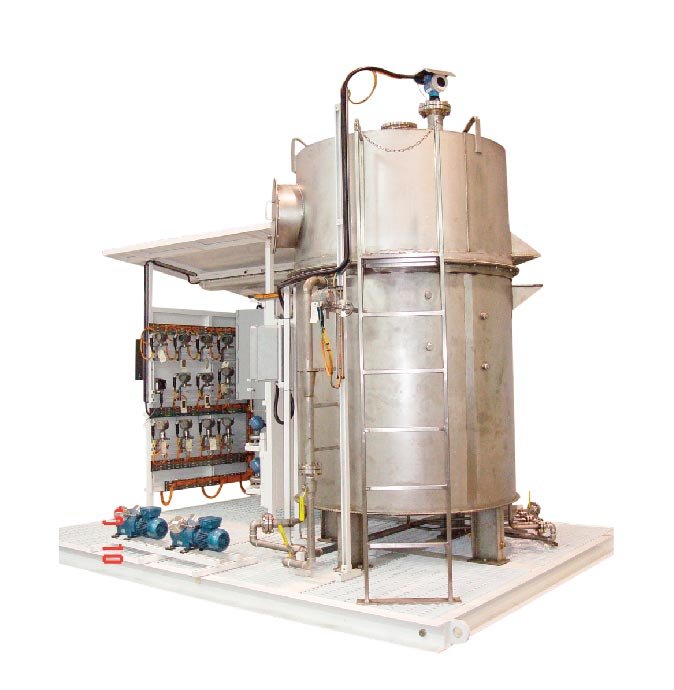
When discussing the design and integration of LNG sampling systems, one must begin with the critical role these systems play in ensuring the accuracy and reliability of LNG quality and composition analysis. LNG sampling systems are engineered to capture representative samples of liquefied natural gas, managing both the physical and chemical characteristics that are pivotal for quality assurance. A crucial element of these systems is the construction of robust sample holding tanks that allow for safe storage and accurate representation of the LNG before analysis.
The design of an LNG sampling system must consider various factors to maintain integrity and prevent contamination. These include the material selection for the sample holding tank, which should resist cryogenic temperatures and corrosion. Common materials like stainless steel or specialized alloys are frequently utilized due to their durability and compatibility with LNG. Furthermore, the tank must be designed to minimize vaporization losses, thereby ensuring that the liquid sample reflects the true composition of the LNG.
Another essential aspect is the incorporation of sample conditioning systems, which prepare the LNG sample by controlling temperature and pressure prior to analysis. This step is paramount for obtaining accurate data on the LNG’s properties, such as density and calorific value. The sampling point should be strategically located within the process, ideally near the loading or unloading areas, to collect samples that are truly representative of the bulk LNG during transit.
Quality control measures must also be integrated into the design of the LNG sampling systems. Regular maintenance, calibration of instruments, and adherence to industry standards play significant roles in ensuring that sampling procedures yield consistent and high-quality results. By focusing on the intricate details of design and integration, operators can guarantee that their LNG sampling systems provide accurate and reliable data essential for both operational and regulatory purposes.
Packaged HVAC Systems for Hazardous Areas
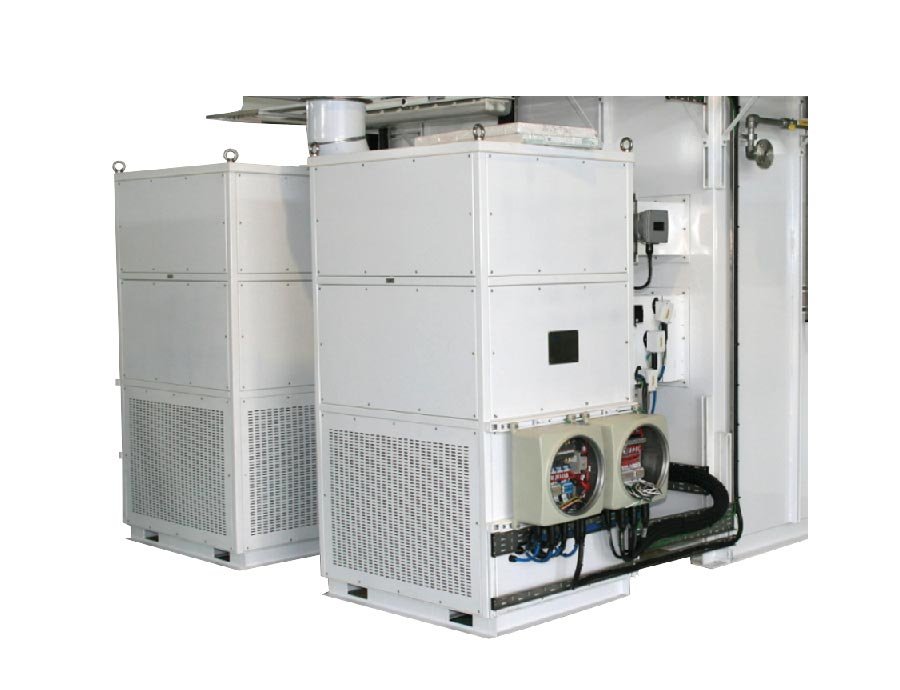
Packaged HVAC systems have been engineered to operate effectively in hazardous environments where conventional systems might falter. Such locations may include oil rigs, chemical processing plants, and wastewater treatment facilities, all of which present unique challenges. These environments are often classified based on the presence of flammable gases, vapors, or combustible dust, necessitating specialized HVAC solutions that adhere to stringent safety regulations. The design of packaged HVAC systems for these areas includes considerations for explosive conditions, ensuring safety and reliability without compromising performance.
The rugged design of these HVAC systems plays a crucial role in enhancing operational longevity. For instance, components often utilize corrosion-resistant materials, ensuring that they can withstand harsh chemical exposures. Furthermore, they are typically enclosed in durable cabinets that protect against environmental factors such as extreme temperatures, moisture, and particulates. This design helps maintain performance efficiency, which is vital in hazardous applications where failure can lead to disastrous consequences. Packaged systems incorporate advanced filtration technologies to prevent contaminants from entering the airflow, enhancing both system performance and indoor air quality.
In terms of installation, specialized knowledge and skills are required to ensure that the HVAC units are set up correctly in electrically classified areas. This process often mandates compliance with national and local codes, as well as industry standards such as NFPA (National Fire Protection Association) and ATEX (ATmosphères EXplosibles). These regulations dictate the types of equipment that can be used, the installation practices, and the operational guidelines to ensure that all potential hazards are accounted for. By adhering to these regulations, facility operators can safeguard against the risks inherent in hazardous environments, ensuring a stable and reliable operation of packaged HVAC systems.
Key Components of Sampling Systems
Effective sample conditioning systems play a crucial role in the overall efficiency and accuracy of analyser systems. The components of these systems are designed to ensure that the samples collected are representative of the process being examined and prepared for analysis without alteration. Several key elements comprise a robust sampling system, each fulfilling a specific function that is vital for optimal performance.
One of the primary components is the liquid knock-out system. This system separates unwanted liquids from the sample gas stream, minimizing the risk of damage to downstream analysers. By eliminating liquid carryover, the integrity of the samples is maintained, and accurate measurements can be achieved. This component is especially important in processes where gases and liquids co-exist and must be analyzed separately.
Another significant component is the sample cooler. This device cools the gas sample prior to analysis, condensing any moisture and allowing for the removal of liquid water through a drain. The temperature control here is critical; excessive heat can lead to evaporation of volatile compounds, skewing the test results. Therefore, selecting the correct sample cooler according to the application’s temperature requirements is essential for reliable sample preparation.
Flow meters also play a vital role in sampling systems. These instruments measure the flow rate of the process stream, ensuring that the sample is representative by maintaining a consistent flow rate throughout sampling. Accurate flow measurement is fundamental, as it affects the sample’s composition and hence the validity of the analysis. Various types of flow meters are available, including differential pressure, thermal, and mass flow meters, each with its unique advantages depending on the application.
In summation, the efficient operation of sampling systems relies heavily on the integration and functionality of these components. Properly designed liquid knock-out systems, sample coolers, and flow meters work in harmony to provide reliable and accurate results in analyser systems.
Electrical Components for Hazardous Areas
In analyser systems designed for hazardous environments, the selection of appropriate electrical components is crucial to ensure safety and compliance. These systems often operate in areas classified under hazardous zones due to the presence of flammable gases, vapors, or combustible dust. As such, power distribution panels, junction boxes, and other electrical equipment must adhere to stringent safety standards and regulations.
First and foremost, power distribution panels must be designed to prevent electrical sparks and contain explosions. These panels should be equipped with appropriate enclosures that protect the internal components from external elements and potential ignition sources. The use of explosion-proof panels that comply with international standards such as NEC (National Electrical Code), ATEX (Atmosphères Explosibles), and IECEx (International Electrotechnical Commission for Explosive Atmospheres) is recommended. This compliance ensures that the panels are tested for durability and safety in explosive atmospheres.
Furthermore, junction boxes play a pivotal role in managing the electrical connections and protecting the integrity of the circuit within hazardous areas. These boxes should also be explosion-proof and made from non-combustible materials to prevent ignition. The design must consider the specific hazardous zone classification to ensure that the installed electrical components operate effectively without posing safety risks. Adequate sealing mechanisms must also be in place to prevent dust and moisture ingress, thus maintaining operational reliability.
Moreover, integration with appropriate monitoring and control systems enhances the safety performance of analyser systems. Continuous monitoring helps detect potential failures, allowing for proactive measures to mitigate risks. Compliance with NEC, ATEX, and IECEx standards is not only a legal requirement but also a best practice that assures the safe operation of electrical components in hazardous environments. By prioritizing safety and regulatory adherence in the selection of electrical components, the reliability and efficiency of analyser systems in hazardous areas can be significantly improved.